
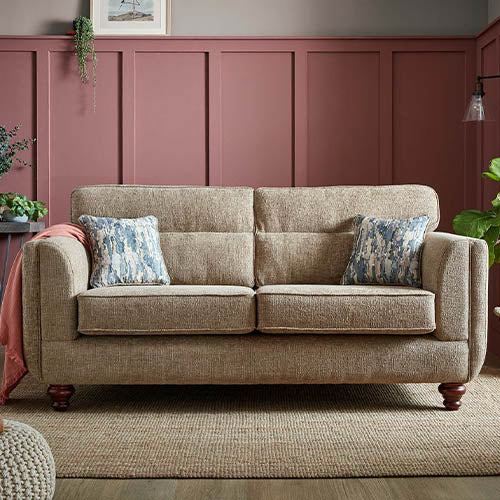
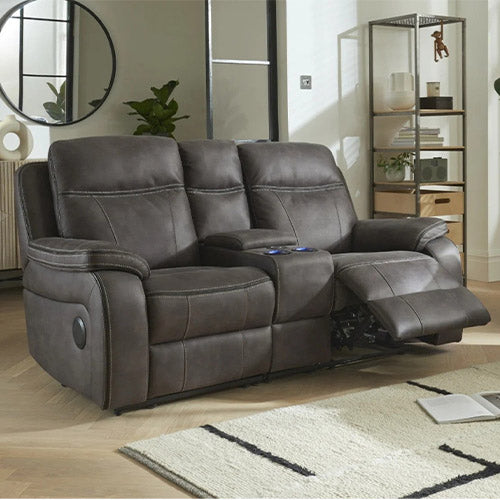
Have you ever looked at your sofa and wondered how it went from showroom chic to slightly shabby in just a few years? Whether it’s muddy pawprints, spilt tea, or the usual wear and tear from family life, keeping your sofa looking its best can feel like an uphill struggle. The good news? With a handful of top tips for sofa maintenance, you can keep your living room centrepiece plush, clean, and inviting—no matter what life throws at it.
Key Takeaways
- Adopt a sofa care routine: vacuuming, spot-cleaning, and cushion fluffing are essential for longevity.
- Protect upholstery from stains, sunlight, and daily wear using covers and strategic furniture placement.
- Deep cleaning and professional care can tackle persistent odours and embedded dirt.
- Understanding your sofa’s material is crucial to applying the best sofa care tips and cleaning methods.
- Following UK-specific furniture care advice helps maintain value and comfort in your home.
Daily & Weekly Sofa Care: Building Good Habits
Vacuuming and Surface Cleaning
Among the top tips for sofa maintenance, nothing is as foundational as regular vacuuming. Dust, crumbs, and pet hair build up quickly, especially in busy UK homes. Use a soft brush attachment to gently vacuum all surfaces, including crevices and beneath cushions. This prevents debris from grinding into fibres and helps with upholstered furniture upkeep. For leather sofas, a microfibre cloth dust-down every week can keep the surface gleaming.
Spot Cleaning and Immediate Stain Removal
If you’re wondering how to maintain a sofa in the face of accidental spills, the answer is swift action. Blot (don’t rub) with a clean, dry cloth to absorb as much liquid as possible. For most stains, a mild soap solution or dedicated upholstery cleaner works well—always test on a hidden spot first. What to use for sofa stains depends on your fabric: for example, leather benefits from specialist products while microfibre may just need mild detergent. Acting fast is one of the best practices for sofa cleaning, especially in households with children or pets.
Dealing with Pet Hair and Allergens
Homes with pets face a daily battle against hair and dander. Use a lint roller or rubber gloves to lift fur from fabric and cushions. For those with allergies, frequent vacuuming with a HEPA filter is a sofa care tip worth adopting. It’s also wise to regularly wash throws and cushion covers to keep allergens at bay.
Monthly & Seasonal Sofa Upkeep: Deep Cleaning and Protection
Deep Cleaning Your Sofa
Every month, go beyond surface cleaning. For fabric sofas, use an upholstery-approved cleaner or a gentle steam clean, following all care labels. This removes embedded dirt and refreshes fibres. Cleaning leather sofas involves wiping down with a damp cloth, then applying a leather cleaner and conditioner to keep the surface supple and avoid cracks—a crucial aspect of sofa upholstery maintenance. For velvet or delicate fabrics, consult your manufacturer’s instructions or hire a professional.
Applying Fabric or Leather Protection
One of the most effective sofa protection tips is using fabric protectors or leather conditioners. Modern protectants shield against stains and spills, making everyday maintenance easier. Always spot test products, as UK humidity and temperature can affect application and drying times. This step is especially recommended for busy homes and those with young children or pets.
Rotating and Fluffing Cushions
To prevent sagging and uneven wear, rotate and flip your sofa cushions weekly. Give each cushion a good fluff to redistribute filling and keep them plump—essential in how to fluff sofa cushions. For feather or fibre-filled cushions, knead and shake vigorously to separate clumps. This habit is key to extending the life of a sofa and maintaining comfort.

Seasonal Strategies: Preventing Sofa Wear and Tear
Protecting from Sunlight and Heat
Exposure to direct sunlight can fade fabrics and dry out leather, causing irreversible damage. In the UK, even indirect sunlight can make a difference over time. Position your sofa away from windows or use blinds and curtains during peak sunlight hours. For homes with radiators or fireplaces, ensure your sofa isn’t placed too close—excess heat can cause upholstery to degrade prematurely. This is one of the top tips for sofa maintenance often overlooked.
Using Throws, Covers, and Arm Caps
Throws and fitted covers provide a stylish layer of defence against spills and daily grime. Washable throws are especially useful in households with kids or pets, letting you freshen up your sofa’s look seasonally. Arm caps can reduce wear on high-contact areas like armrests—a simple step for long-term living room furniture maintenance.
Managing High-Traffic Areas
Encourage family members to vary where they sit to avoid indentations and wear in one spot. Rearrange cushions or swap seat positions regularly. If possible, choose sofas with removable, reversible cushions for UK homes—this makes even wear and cleaning far easier.
Professional Sofa Cleaning & Material-Specific Advice
When and Why to Call in the Experts
Some sofa stains and odours resist all home remedies. Professional cleaning services offer deep cleaning tailored to your sofa’s material—removing allergens, dust mites, and stubborn marks. For most UK households, a professional clean every 12–18 months is recommended. This is especially important for maintaining your warranty and hygiene, and can dramatically extend your sofa’s lifespan.
Material Matters: Fabric vs. Leather vs. Velvet
Different materials call for different sofa care tips. Fabric upholstery often requires vacuuming, spot cleaning, and occasional steam cleaning. Leather needs regular dusting, specialised cleaning, and conditioning. Velvet should be gently brushed and spot-cleaned with care. Understanding these differences is crucial for sofa care for UK homes, especially given the UK’s variable climate and heating habits.
Choosing the Right Cleaning Products
Always use cleaners suited to your sofa’s upholstery. For example, solvents can damage certain fabrics, while water can leave marks on leather. Read care labels carefully and consult reputable sources like Which? for guidance. If in doubt, opt for professional advice to avoid costly mistakes.
| Sofa Material | Maintenance Level | Best Cleaning Method | Suitability for UK Homes |
|---|---|---|---|
| Fabric (Cotton/Polyester) | Moderate | Vacuum, spot clean, occasional steam | Very suitable, easy to maintain |
| Leather | Low–Moderate | Wipe, leather cleaner, condition | Ideal for allergy sufferers and easy to clean |
| Velvet | High | Gentle vacuum, specialist cleaner | Best for low-traffic, style-focused spaces |
| Microfibre | Low | Vacuum, mild soap, quick dry | Excellent for busy UK families |

Long-Term Sofa Protection: Smart Moves for UK Homes
Investing in Sofa Covers and Protectors
Custom-fitted sofa covers are a top tip for sofa maintenance, providing full protection while remaining stylish and easy to wash. Waterproof protectors are especially valuable in homes with children or pets. Choose colours and fabrics that complement your décor, or switch them with the seasons for a fresh look.
Managing Humidity and Indoor Air Quality
UK weather can be damp, making moisture a concern for sofa longevity. Use a dehumidifier in humid rooms to prevent mould and mildew on upholstery. Good ventilation helps fabrics dry quickly after cleaning and reduces the risk of musty odours—another important aspect of furniture care advice UK homeowners should heed.
Maintaining Sofa Structure and Support
Periodically check your sofa’s frame and legs for looseness or wobbling. Tighten screws and address squeaks to keep your seating safe and supportive. This type of living room furniture maintenance ensures your investment remains comfortable and secure for years to come.
Frequently Asked Questions
How often should I vacuum my sofa?
For most UK households, vacuuming your sofa weekly is ideal to remove dust, crumbs, and pet hair. High-traffic homes or those with pets may benefit from a quick vacuum every few days to ensure upholstery stays fresh and allergen-free.
What’s the best way to treat sofa stains?
Blot spills immediately and use a fabric-appropriate cleaner or mild soap solution. Always test a small, hidden area first. For persistent stains, professional cleaning is recommended. Following the top tips for sofa maintenance protects your fabric and keeps it looking its best.
How can I prevent my sofa from fading?
Keep your sofa out of direct sunlight, use window coverings, and rotate cushions regularly. These sofa protection tips help maintain vibrant colours and extend the life of a sofa in any UK living room.
Should I use a professional sofa cleaning service?
Yes, a professional clean every 12–18 months is recommended, especially for allergy sufferers or homes with pets. Experts use safe, effective techniques for deep cleaning and can help prolong your sofa’s lifespan.
What can I do about sagging sofa cushions?
Fluff and rotate your cushions weekly. For severe sagging, add extra filling or consider new inserts. Regular maintenance helps retain shape and comfort, key elements in how to extend the life of a sofa.
Looking to revitalise your living room with these top tips for sofa maintenance? Dante Furniture is your trusted partner for high-quality sofas, beds, and living room furniture across the UK. For tailored sofa care advice and beautifully crafted pieces built to last, explore more with Dante Furniture today.
Visit our 40,000 sq ft Burnley showroom or browse the full range online.